Biosecurity Benefits of On-Site Animal Waste Incineration
The single largest biosecurity decision most livestock operations make is how they handle fallen stock. Every collection vehicle that crosses the farm boundary is a potential disease vector, and every hour a carcass sits unburned is an opportunity for pathogens to spread.
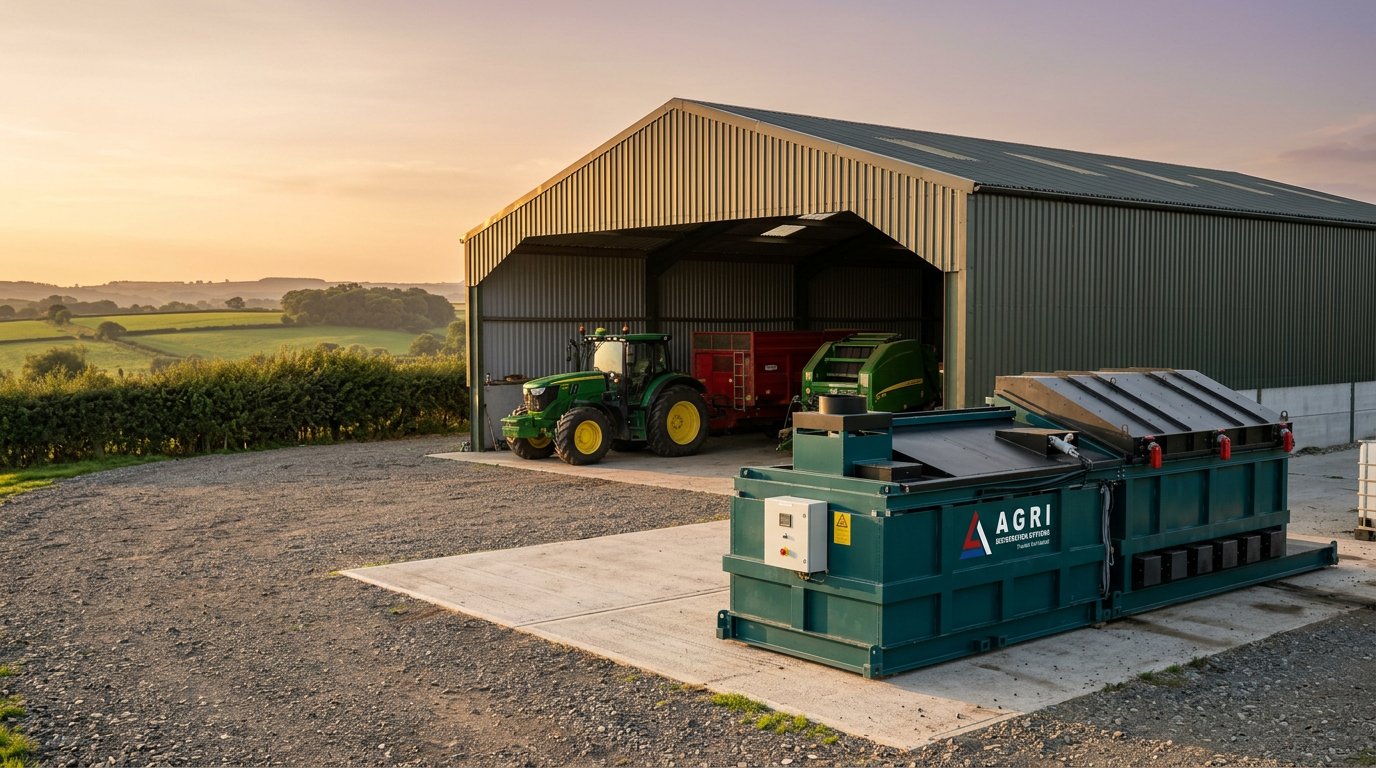
On-site incineration in a regulated AIS Cyclone removes the collection movement entirely and compresses the time between mortality and final disposal to a single audited cycle.
What on-site incineration changes
- No third-party collection vehicles entering the holding
- Mortality handled the same day, not the same week
- Reduced storage and chilling requirements
- Containment of disease vectors within the unit
- Auditable cycle log for each disposal
- Lower operational risk during outbreak conditions
Mortality management as a daily routine
Disease prevention is built on routine. A Cyclone sized to the holding's daily mortality means disposal becomes part of the morning round rather than a weekly logistics problem. That predictability is what turns biosecurity from a written policy into an operational habit.
Across poultry, swine, equine, livestock and mixed-species operations, AIS customers consistently report that the operational discipline imposed by an on-site incinerator is itself one of the largest biosecurity gains.
Related pages
Disclaimer: This information is general guidance only. Customers should consult the relevant authority for formal regulatory advice.