How does incineration play a role in preventing disease transmission on swine farms?
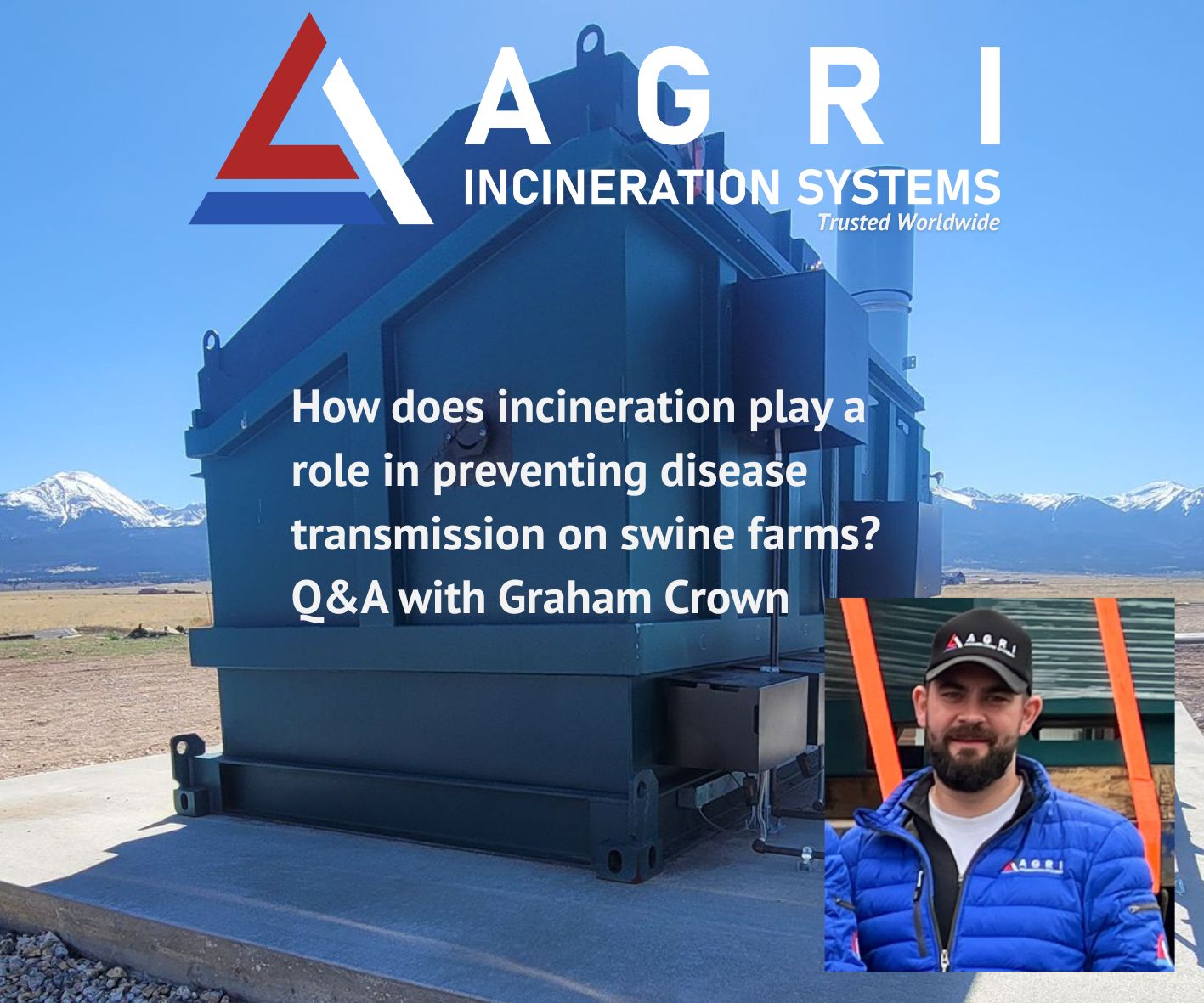
Question: How does incineration play a role in preventing disease transmission on swine farms?
Answer: Incineration plays a significant role in preventing disease transmission on swine farms by ensuring the safe disposal of potentially infected animal waste, carcasses, and other contaminated materials.
- Destruction of Pathogens – Incineration effectively destroys bacteria, viruses, and other pathogens that could otherwise survive in animal carcasses, bedding, and other waste. This is especially important in the case of highly contagious diseases like African Swine Fever (ASF) or PRRS.
- Elimination of Biosecurity Risks – By incinerating infected materials, farms reduce the risk of disease transmission via external vectors such as trucks, equipment, and workers.
- Efficient and Controlled Disposal – Using an AIS Incinerator provides a controlled method of waste disposal, ensuring that all infectious material is completely reduced to ash.
- Reduced Environmental Contamination – Incineration eliminates the risk of groundwater contamination by transforming the waste into ash, which can be safely disposed of in accordance with environmental regulations.
Question: What are the biggest misconceptions swine producers have about incineration?
- Incineration is Too Expensive – Owning an AIS Cyclone Incinerator can save money long-term by reducing the risk of disease outbreaks, preventing costly culling, and protecting the farm's reputation.
- Incineration is Ineffective in Killing Pathogens – Properly operated incinerators reach temperatures over 1200°F, sufficient to destroy bacteria, viruses, and other pathogens.
- Incineration Requires Too Much Time or Labor – Modern AIS Cyclone models are designed to be efficient, with automated systems requiring minimal manual labor.
- Incinerators Require Frequent Maintenance – AIS Cyclone Incinerators are built with a durable concrete-lined main chamber, which withstands extreme temperatures better than traditional brick-lined systems.
Question: Can you walk us through the process of using an incinerator on a daily basis?
- Prepare the Incinerator – Inspect the system, check fuel levels, ensure the chamber is accessible.
- Start Up the Incinerator – Activate the system, allowing it to reach the required secondary chamber temperature (typically above 1562°F).
- Load Waste Safely – Using an AIS Cyclone Incinerator, waste can be loaded continuously throughout the burn cycle.
- Monitor the Burn – Ensure that the system is operating at optimal conditions for complete pathogen destruction.
- Final Inspection – Once waste is fully incinerated, check for any residual material and confirm complete combustion.
- Ash Disposal and System Cool Down – Safely remove ash, clean the exhaust system and filters.
- Routine Maintenance – Perform regular component checks and schedule professional servicing.
Final Thoughts
Incineration is one of the most reliable and effective methods for disease prevention and waste disposal on swine farms. By incorporating incineration into daily biosecurity protocols, swine producers can significantly reduce the risk of disease outbreaks, improve herd health, and protect their operations from financial and reputational losses.
See the full article on Swineweb.com here: Link.