Reasons to choose incineration.
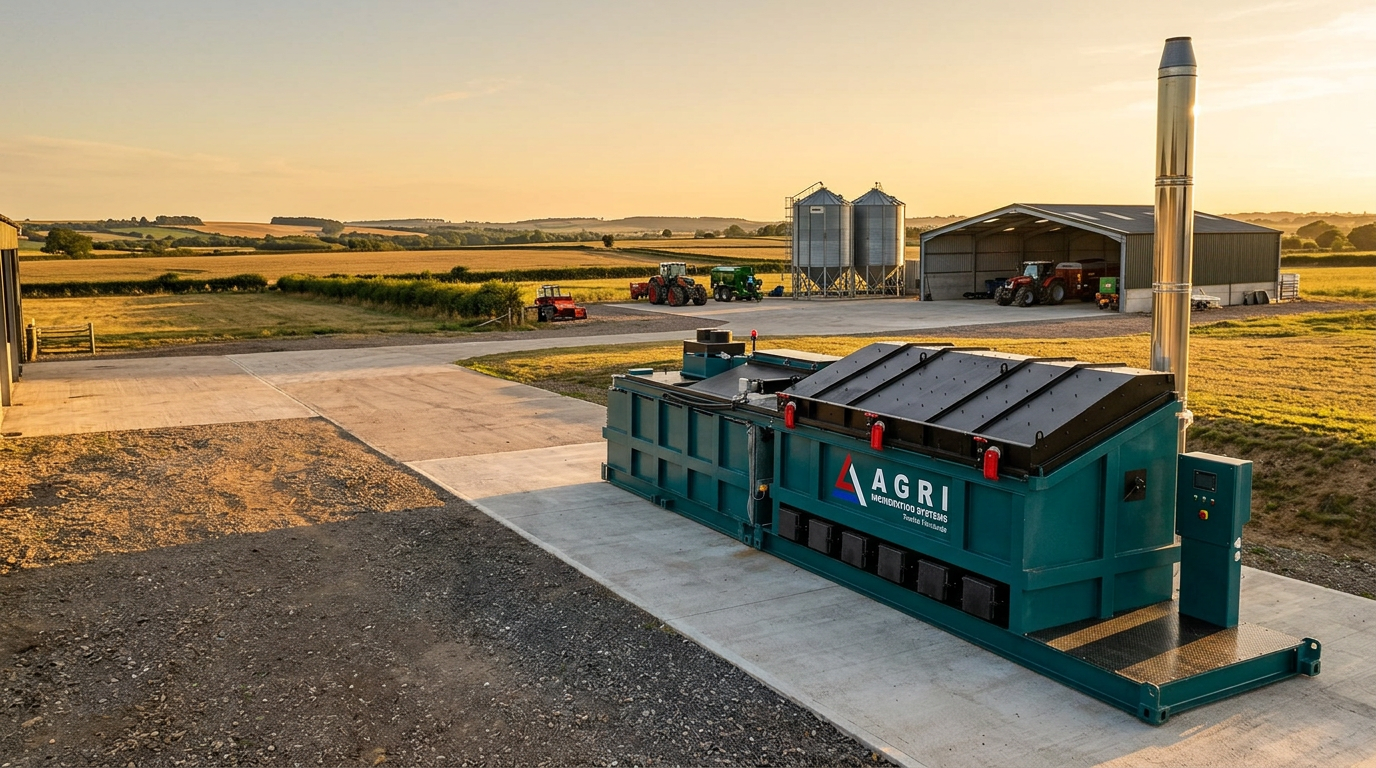
When incineration is conducted on-site, it materially improves biosecurity, cuts time and cost, and removes the operational drag of decomposition-based methods.
On-site incineration contains potentially diseased waste inside a controlled, high-temperature environment — typically 800–1,200 °C (1,562–2,192 °F). Pathogens are destroyed in the same load. By contrast, composting relies on natural breakdown by microorganisms and may leave pathogens viable until the process is complete.
On-site disposal also removes the recurring biosecurity exposure of collection vehicles entering and leaving the site. The waste never travels off-farm; the disposal step is closed-loop.
On the labour side, an AIS Cyclone is a one-step process: load once, burn, remove ash. Composting requires turning, monitoring and ongoing management over weeks or months. The lifetime labour difference is significant.
Incineration also eliminates the persistent odour associated with decomposing organic matter, and it occupies a far smaller, more defined footprint — making it suitable for confined and tightly biosecure sites.
Ready to size the right Cyclone for your site?
Tell us your daily volume and animal type. We'll come back with the model and the price.